Missa para atores e público sobre a paixão e o nascimento do Dr. Fausto de acordo com o espírito de nosso tempo = Mass for actors and audience on the passion and birth of Dr. Faust according to the spirit of our time
Based in Porto Alegre, The Tribo de Atuadores Ói Nóis Aqui Traveiz was born in 1978 out of a desire for a radical renovation of the language of theatre. During the several years of their existence, they have created a personal aesthetics founded upon the authorial work of the actor, both on the stage and on the streets. Their venue, the Terreira da Tribo de Atuadores Ói Nóis Aqui Traveiz, works as a community theatre school, offering several free workshops open to the public. Their tribal organization is based on the principle of collective work, both in the creative process and in the maintenance of the space. For Ói Nóis Aqui Traveiz, theater is an instrument for both revealing and analyzing reality, and it's function is social: to contribute to the collective knowledge and to the improvement of the quality of life of the people. In a world marked by exclusion, marginalization, homogenization, by dehumanizing and barbaric efforts, they see it as their moral imperative to denounce injustice, sold opinions, authoritarianism, mediocrity and the erasing of memory. Ói Nóis sees theatre as an art of resistance, in the service of arts and politics, an art that does not fit the market patterns for ethics and aesthetics. Instead, they see theater as a way of life and as a vehicle for ideas: a theater that does not comment on life, but that takes part in it.
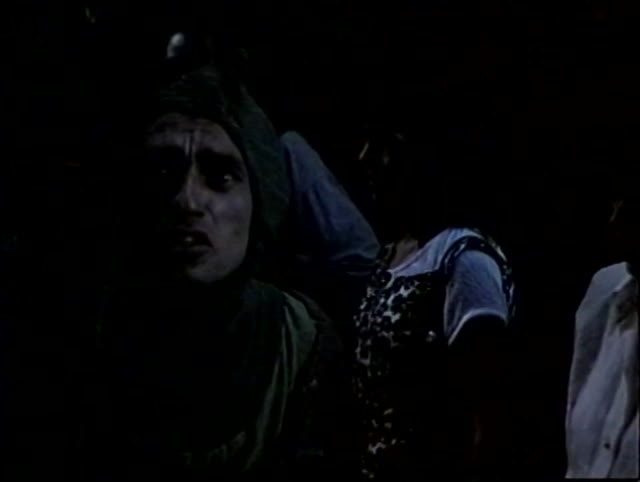
This staging of Goethe's Faust recreates one of the most universal esoteric myths of all times, that of the man who sells his soul to the devil. The entire story of Faust is staged, but not the whole text nor all the scenes. Instead, the audience of 30 people is guided through a succession of dreamlike environments, in a journey towards the unconscious of the character. Ói Nóis' Faust brings up the question of who is, after all, the Faustian man of our time: is it the scientist and the politician, or the outsider, the one who contests the system? This story reveals to the audience two essential factors for human emancipation: the desire for knowledge and the pleasure principal, both crucial for fighting power and fueling revolutions.